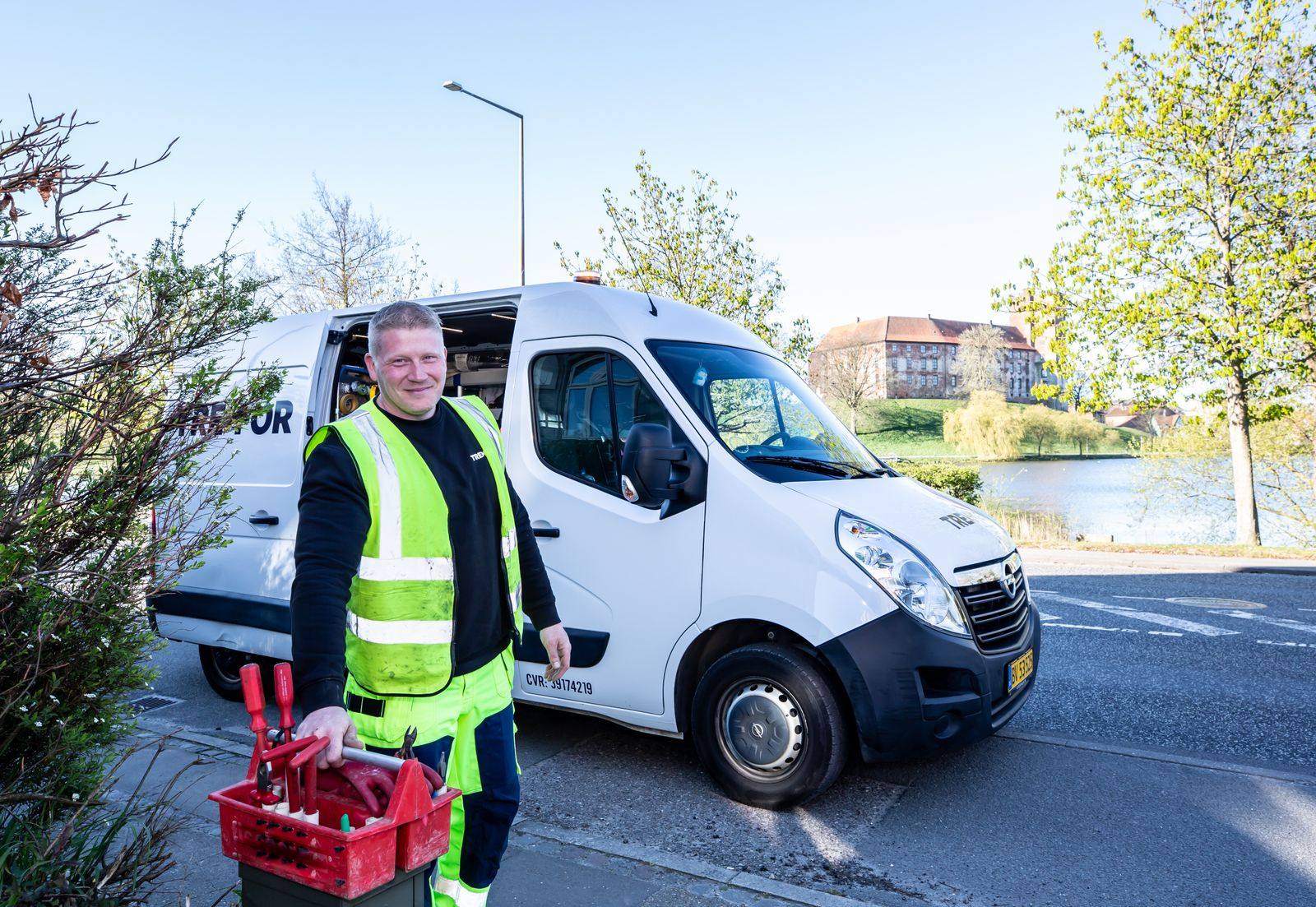
How do you know a water heater problem is urgent? Usually it is one of four things: active flooding, a discharging relief valve, water hot enough to burn, or a gas odor. Flooding is the one that catches people off guard. A failed tank is still connected to the cold supply, so it keeps taking on water and losing it long after its own contents are gone, and the damage spreads into finished floors and lower rooms quickly. A T&P valve that keeps releasing water or steam is the heater telling you a safety limit has been exceeded. Scalding water points to a runaway thermostat or gas control. A gas smell is its own category and comes with its own first steps, covered below. Across Atlanta, GA, we move each of these to the front of the line.
Before anything else, rule out gas. A rotten-egg odor near the heater means everyone leaves the house, no one touches switches or appliances while leaving, and the call goes to your gas utility or 911 from a safe distance. If there is no gas smell, turn to the water: close the cold supply valve at the top of the heater, or the main shutoff if that valve is frozen in place. Next, cut the energy to the unit, turning a gas control to OFF or switching off the dedicated breaker on an electric model, as long as you are standing on dry ground. Leave the relief valve alone if it is discharging. Plugging it removes the last safeguard against a tank that is overheating. Once things are isolated, call (470) 200-7307 for help.
Our part of the job begins the moment you call (470) 200-7307. Whoever answers walks you through isolating the heater, confirms the leak has actually stopped, and gives you a realistic window for a technician instead of a guess. Once we arrive, safety checks come first: water, gas or power, and venting. Then we diagnose. A failed relief valve, a leaking drain valve, a corroded supply fitting, or a burned-out element can typically be swapped before we leave because those parts ride on the truck. If the tank has rusted through, no repair will hold, and we tell you so plainly before walking through replacement choices. Families throughout Atlanta call us for exactly these moments.
Most of our service calls are for Water Heater Repair in Atlanta. That's the place to start for most homes.
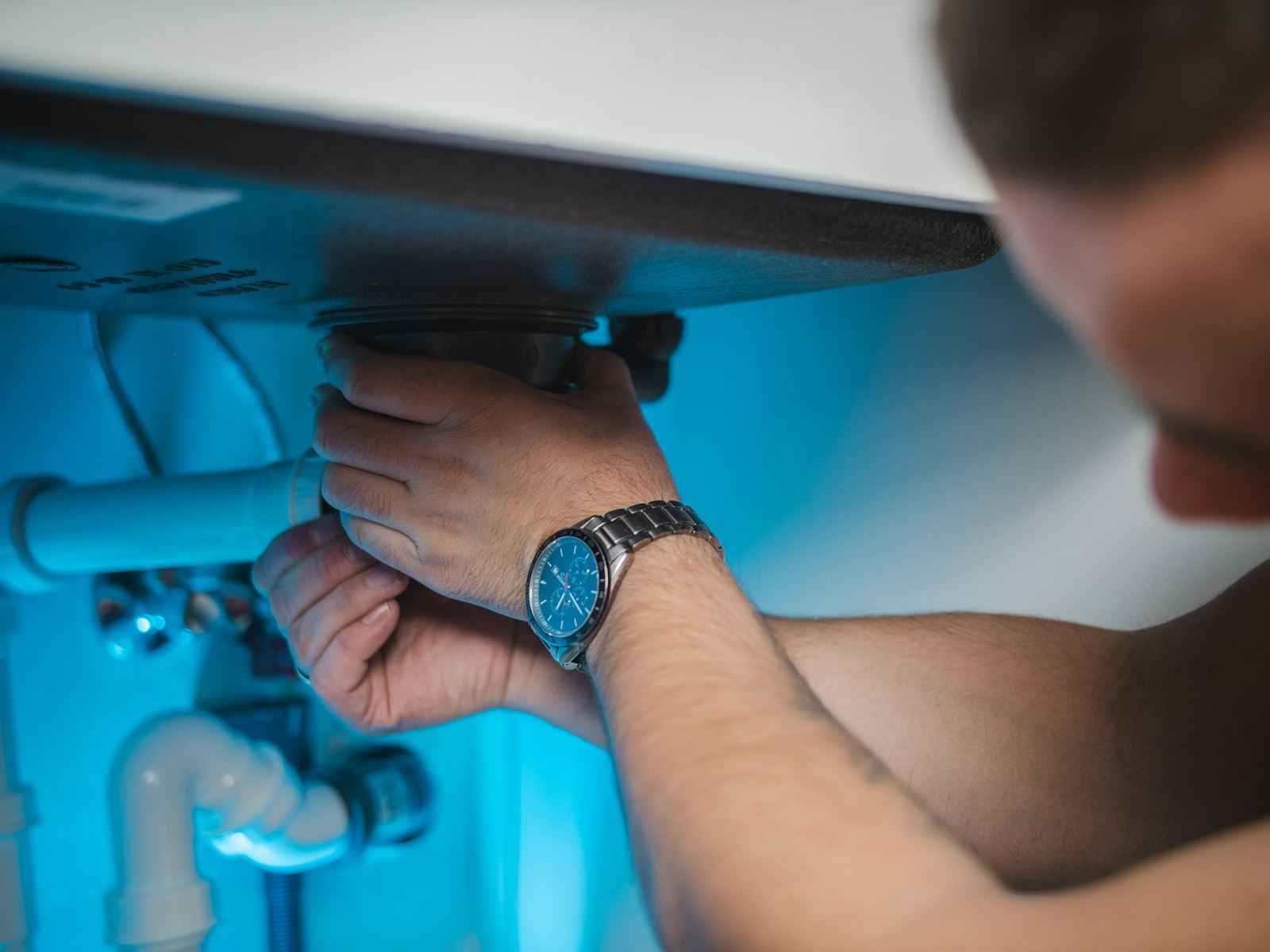
Symptoms That Mean It's Time to Call
Water heaters usually give plenty of warning before they fail, as long as you know what to look and listen for. Watch for these telltale signs that professional help is needed:
- An electric water heater that keeps tripping its circuit breaker
- Tap water hot enough to burn, even at the usual setting
- A rotten-egg smell near a gas water heater (leave first, and call the gas utility)
- Violent rumbling or banging from the heater as it runs
- The relief valve on the side of the tank dripping, hissing, or discharging
- Signs of scorching or backdrafting around the base or top of a gas heater
- Every tap running cold and the heater showing no signs of life
- A puddle under the tank that keeps growing
A Slow Leak Never Stays Slow
A little rust-colored water or a relief valve that drips now and then can be the first hint of a tank that is close to the end. If you notice any of these signs, contact Atlanta Water Heater at (470) 200-7307 for a prompt inspection.
Talk to Us About Emergency Water Heater Repair
One call gets a technician scheduled and a clear price before any work starts.
Call (470) 200-7307 NowFrequently Asked Questions About Emergency Water Heater Repair
The Benefits of Professional Emergency Water Heater Repair
A water heater emergency packs several hazards into one closet or garage corner. There is water on the floor near a 240-volt circuit on electric models, or near a gas valve, burner, and flue on gas models. There is a tank holding very hot water under pressure. And there is a safety valve that, if it is discharging, has a reason for it. Homeowners sometimes try to stop the relief valve by capping it, tighten a leaking fitting until it cracks, or relight a pilot beside a gas smell, and each of those can turn a bad afternoon into something far worse. The safest moves for a homeowner are the ones described above: leave for gas, then shut off water and energy, then call for help.
Professional help is not just about having wrenches. It is about knowing why the failure happened so it does not happen again next month. When a relief valve discharges, we measure static water pressure and check whether an expansion tank is missing or waterlogged. When a tank floods the floor, we locate the true source, whether it is the valve, a fitting, a connector, or the tank wall. When a gas heater dies, we check thermocouple or flame sensor signal, gas pressure, and venting before restarting it. That diagnosis decides the fix. Components can be replaced the same visit; a failed tank cannot be patched, and you hear that straight and explain the replacement path.
What to Expect From Our Team
Good water heater work comes down to a consistent routine, and ours starts with a real diagnosis instead of a guess. Here's exactly how a typical visit unfolds:
Phone Triage & Shutoff Help
We start on the phone: confirm there is no gas odor, help you close the cold supply and turn off gas or power, and talk through what to move out of the water's path.
Secure the Area
A technician heads out as quickly as the schedule allows, with an honest arrival window. On site we verify water, fuel, power, and venting are safe before any diagnosis begins.
Find the Failure, Fix It
The source gets pinpointed before any part is replaced. Relief valves, drain valves, connectors, thermocouples, and elements travel with us, so most fixes happen during the first trip.
Safe Restart
We refill the tank, purge air from the lines, restart the heater, check every joint for leaks, confirm the relief valve seats, and set the temperature to a safe 120F.
Questions About Emergency Water Heater Repair?
Our technicians can assess your water heater and recommend the option that actually makes sense.
Call (470) 200-7307 TodayWater Heater Care Tips From Our Technicians
A few simple habits, like an annual flush and a quick look at the relief valve, can add years to a tank. Start with these practical measures our team relies on:
- Annual flushing keeps sediment from causing the rumbling and hot spots that lead to leaks
- Set the temperature around 120F, which protects against burns and slows tank wear
- Lift the relief valve lever once a year to confirm it opens and reseats, and call if it keeps dripping
- A drain pan with a proper drain line under the tank can turn a flood into a manageable puddle
- Add a battery leak alarm or an automatic shutoff valve that closes the supply when it senses water
- Leave clear space around a gas heater and never store flammable liquids nearby
- Tag the water heater supply valve and the main shutoff so nobody has to search during a leak
Should You DIY or Call a Pro?
Some simple checks are fine to do yourself, but most water heater repairs benefit from professional tools, training, and experience. Here's how the two approaches stack up:
| Factor | DIY Attempt | Hiring a Pro |
|---|---|---|
| Gas Odor | Risk of ignition while investigating | Leak detector and soap test after the area is cleared |
| Stopping the Leak | Unsure which valve to close | Shutoffs confirmed holding before diagnosis |
| Relief Valve | Discharge silenced without finding the cause | Root cause measured and corrected |
| Power & Water | Handling 240V near standing water | Breaker isolated and wiring checked first |
| Diagnosis | Symptom treated, source unknown | Exact source traced before parts are swapped |
| Result | Fix that may not hold overnight | Lasting repair or honest replacement advice |
Let's Get Your Hot Water Back
Cold showers and damp floors don't get better on their own. Atlanta Water Heater can have a technician headed your way soon.
Call (470) 200-7307 TodayEmergency Water Heater Repair Near Atlanta
Our technicians handle emergency water heater repair throughout Atlanta and the surrounding communities, with the same upfront pricing everywhere we work.